
How to Build a Roach Startup for Near Zero
Acquisition Loop Help Guide
Most startup articles read like they were written by a management consultant trapped in a lift with a PowerPoint presentation. So I strapped in my daily decaf, fired up the laptop, and figured I’d write this while the kettle was still making noises that sound suspiciously like a dying possum.
If you’re sick of hearing about billion-dollar startups that raise enough money to buy a small country, hire 400 staff, rent an office with a slide between floors, and then mysteriously explode three years later, this one’s for you.
This is the story of building a roach startup.
Not a unicorn.
Not a disruptor.
Not a “revolutionary AI-powered synergistic ecosystem platform” or whatever buzzword investors are throwing around this week.
A roach.
The startup equivalent of that cockroach you hit with a thong three times and somehow still find alive behind the fridge six months later.
Unicorns vs Roaches
A unicorn startup is a mythical creature. Massive funding rounds. Fancy offices. Bean bags. Free kombucha. A valuation worth more than several small countries. Everyone claps. Everyone posts rocket emojis on LinkedIn and Instagram. Everyone pretends they’re changing the world when they’re really building a slightly different food delivery app.
A roach startup is different. A roach startup survives. The economy crashes? Still alive. Google changes the algorithm? Still alive. AI eats half the internet? Still alive. Meteor strike? Probably still alive. A roach startup doesn’t care about headlines. It cares about not dying.
The Beginning: Dial-Up Internet and Life Choices
My journey started back in 1996 when my parents got internet. For young readers, the internet used to arrive through a machine that sounded like two fax machines having an argument. Beeeeeeeep. Screeeeeeeech. Kkkkkkkkrrrrrrr. That noise meant knowledge was about to happen.
After waiting roughly three business days for a webpage to load, I stumbled across an American article explaining how to modify a Fiat 128 race car. My mind was blown. A random bloke on the other side of the planet had shared information with some random kid in Australia. The internet felt like magic.
A few years later, I studied web design at TAFE NSW and learned Dreamweaver. Back then, Dreamweaver was cutting-edge. Today, it’s mostly remembered the same way archaeologists remember dinosaurs.
Fast forward to 2025. I’d built websites before. I’d built SEO tools before. I’d built enough projects to know one thing: The more moving parts you add, the more things eventually catch fire. WordPress plugins break. Hosting bills increase. API changes. Monthly subscriptions multiply like rabbits.
So when AI coding assistants became genuinely useful, I started wondering: “What if I built something properly lean?” No expensive infrastructure. No giant software stack. No team of twelve. Just me, AI, GitHub, Cloudflare, and caffeine’s less exciting cousin.
Month One: Can This Actually Work?
The first month was mostly spent trying to prove myself wrong. Research. Testing. More testing. Breaking things. Fixing things. Breaking them again. I wanted to know whether a serious SEO platform could run without expensive APIs and ongoing monthly costs. By the end of the month, I had my answer. Yep. Turns out modern browsers and PWAs are ridiculously powerful. GitHub is free. Cloudflare is generous. And most websites are dramatically overcomplicated. The green traffic light was go.
Month Two: The Website Was Too Fast
This sounds like a made-up problem. It isn’t. The audit tools were returning results in under a second. People would click the button and instantly get answers. The problem? Nobody would believe it. Apparently, we’ve all been conditioned by modern software to expect a loading spinner, a progress bar, and enough waiting time to make a coffee. So I actually had to slow parts of it down. Imagine telling your boss: “Mate, we’re going to need to make this less efficient.” The irony still makes me laugh.
Month Three: Becoming One With the Keyboard
This was the month of the roached-out 16-hour days. Cloudflare Worker AI. Authentication systems. Databases. Logins. Stripe integrations. Documentation. Bug fixes. At one point, I was dreaming about code. Not metaphorically. Actually dreaming about code. I’d wake up at 3 am thinking: “Hang on… what if I move those functions into their own modules?” That’s usually the signal to build it the next morning.
Month Four: Launch First, Panic Later
Perfection is the natural enemy of launching. I kept tweaking. Kept polishing. Kept adjusting tiny details nobody will ever notice. Meanwhile, the project never left the garage. Eventually, I realised something important: Every website on Earth is unfinished. Google is unfinished. Facebook is unfinished. Your favourite website is currently being held together by duct tape, hope, and one developer who hasn’t slept properly since 2018. So I launched Traffic Torch SEO Toolkit. Then immediately found seventeen things I wanted to improve. Which is exactly how launching goes.
Month Five: The Open-Source Madness
This was the month I went slightly feral. Browser extension. VS Code extension. WordPress plugin. GitHub Actions. Framer plugin. Additional tools. More documentation. More features. More coffee that technically wasn’t coffee. At some point, I stopped asking whether I should build something and started asking how quickly I could build it. AI had essentially turned four-day jobs into four-minute jobs. Sometimes even forty-second jobs. Builders today have no idea how ridiculous this superpower is.
Month Five and a Half: Building the Roach Loop
This was the point where I realised something important. Most startups spend a fortune trying to acquire users. Google Ads. Facebook Ads. LinkedIn Ads. Influencers. Sponsored posts. Retargeting campaigns. Marketing agencies. Growth hackers. SEO ninjas. Conversion wizards. Before long, they’re spending ten grand a month trying to make five grand a month. That’s not a business. That’s an expensive hobby.
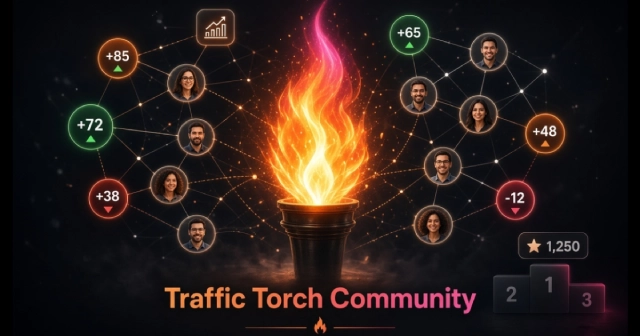
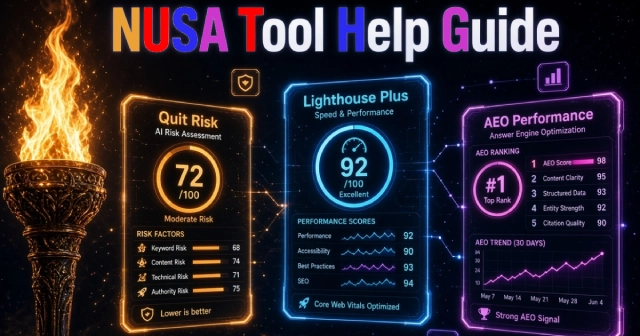
So I built Traffic Torch differently. Every audit tool links to a help guide. Every help guide links to related tools. Every tool generates reports people want to share. Every open-source plugin links back to entry points. Every extension creates another discovery point. Every article teaches something useful and points readers toward another solution. A visitor might arrive through Google looking for an SEO audit. Then read a help guide. Then discover another tool. Then install a browser extension. Then bookmark the site. Then share a report. Then come back a month later. That’s the entire acquisition strategy. Build useful things that naturally lead to other useful things. No ad budget. No sales team. No growth hacks. Just a giant interconnected web of tools, guides, plugins, reports, articles, and resources that help people solve problems. The best marketing asset isn’t an advertisement. It’s usefulness. A roach startup can’t afford a million-dollar marketing budget. But it can afford to be genuinely useful. And usefulness compounds.
Month Six: The Depression Dip
Every founder eventually makes a terrible mistake. They look at their competitors. Suddenly you’re comparing your little project to companies with venture capital, marketing teams, and enough funding to launch a small moon mission. For a few weeks I genuinely felt defeated. Then it clicked. Traffic Torch isn’t competing with unicorn startups. It’s competing with extinction. And it will win.
Every tool feeds another set of optimizations. Every optimization feeds another guide. Every plugin feeds better user experience. Every report creates another entry point. Every visitor has multiple pathways through the ecosystem. That’s the beauty of a roach startup. Growth isn’t powered by funding rounds. It’s powered by compounding usefulness. The entire platform runs on infrastructure that costs next to nothing. The pages load ridiculously fast. The site is lightweight. The costs are tiny. The risk is zero. The stress is nil. That’s the entire point.
The Funny Part
The headline says six months. That’s technically true. It’s also complete rubbish. Because websites are never finished. Traffic Torch is still evolving. I’m still improving things. Still building features. Still finding new optimizations to make things more efficient and to strengthen topical authority, entity and knowledge graphs. The difference is that now I’m doing it from a position of survival. And survival is underrated.
Why More Founders Should Build Roaches
Everyone wants to build the next billion-dollar company. Almost nobody wants to build the next twenty-year company. That’s a mistake. The internet doesn’t need another startup burning investor money like it’s firewood. It needs useful tools. Useful websites. Useful communities. Things that solve real problems and don’t require a funding round every time somebody sneezes. A roach startup isn’t sexy. It’s not glamorous. But it might still be here ten years from now. And honestly? That’s a pretty good outcome.
Final Thoughts
If you’re waiting for perfect conditions to start building something, stop. You don’t need investors. You don’t need a team. You don’t need a fancy office. You don’t need a LinkedIn post announcing you’ve “embarked on a new entrepreneurial journey.” You need an idea. A bit of stubbornness. And enough determination to keep going when things get hard. Build something useful. Keep the costs low. Keep learning. Keep shipping. Be the cockroach. The dinosaurs had all the size, power, and attention. Guess who will still be there when the hourglass drops.
See you in the SERPs, legends.
— Ylia Callan
Lead Dev, Traffic Torch